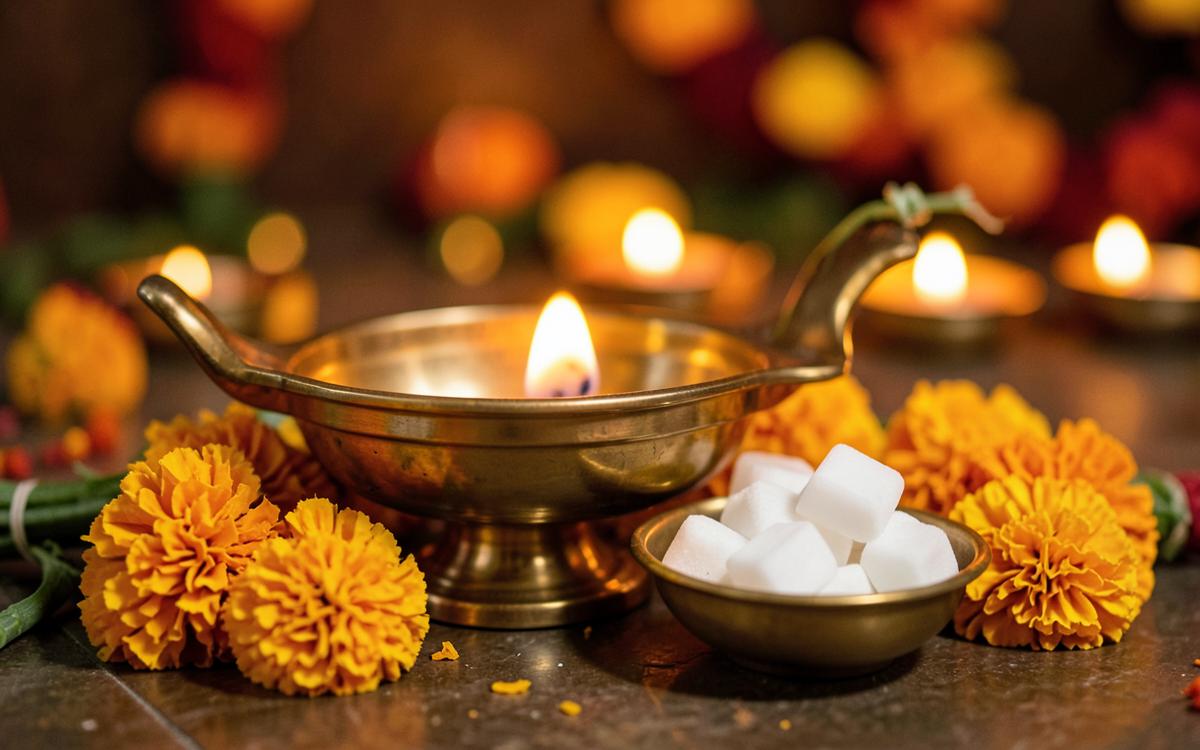
Tradition & Puja
Karpooram and Aarti: Understanding the Tradition Behind the Flame
14 September 2026 · 4 min read
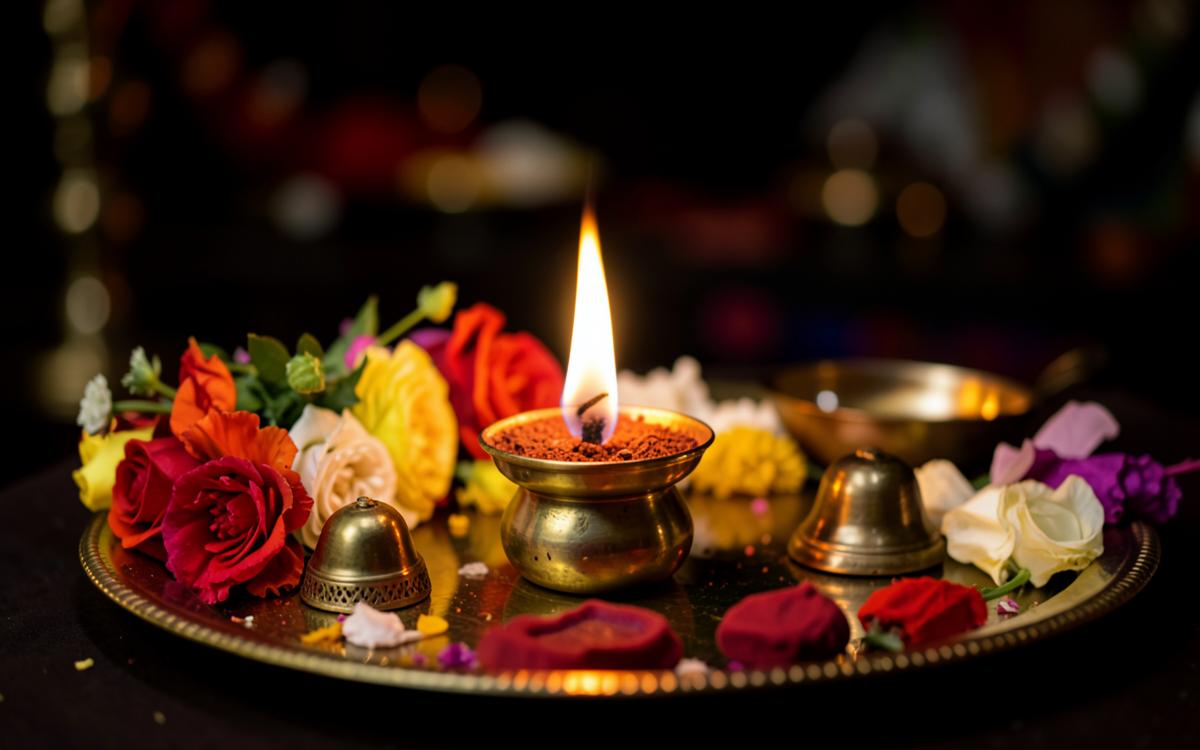
The gentle flame of karpooram is one of the most familiar sights during an Indian aarti. Whether in a temple or during a simple puja at home, lighting karpooram often marks a beautiful concluding moment of worship.
But why has karpooram become so closely associated with aarti?
The Meaning Behind the Karpooram Flame
In many Hindu traditions, the burning of karpooram carries a simple but powerful symbolism.
When lit, karpooram is consumed by its flame. This is traditionally associated with the idea of surrendering the ego and offering oneself in devotion to the divine.
The flame itself represents light — something that has long held an important place in Indian spiritual traditions. During aarti, this light is offered before the deity while prayers, bells or devotional songs accompany the ritual.
A Tradition Shared Across Generations
For many people, aarti is also connected to memory.
The fragrance of karpooram, the sound of a small bell and the sight of the flame can immediately remind us of childhood prayers, visits to temples, festivals and evenings spent praying together as a family.
While the exact customs may differ from one household or region to another, the karpooram flame remains a familiar part of worship across India.
A Small Flame With Lasting Significance
Perhaps that is what makes the tradition so enduring.
Lighting karpooram requires only a few moments, yet the ritual can create a quiet pause in an otherwise busy day — a moment dedicated to prayer, gratitude and devotion.
At Ambika, our journey with karpooram dates back to 1978. It is a privilege to continue being part of a tradition that has found a place in Indian homes for generations.
Continue to the shop
Shop pooja karpooram